![Erin celebrates building the fleet community with 50 episodes and 11K followers on LinkedIn [Podcast]](https://intellishift.com/wp-content/uploads/2025/11/gfx-blog_fleet-software-fuel-costs.png "Episode 50 Thumbnail")

The right platform gives you real-time clarity into routing, idling, driving behavior, vehicle health, and energy use. When you understand how your fleet actually burns fuel, you can cut waste fast instead of guessing, begging drivers to slow down, or hoping gas magically gets cheaper.
Below are the high-impact ways fleet tracking software reduces fuel costs and helps you run a smarter, more efficient operation.
Ways Fleet Tracking Software Helps Reduce Fleet Fuel Costs
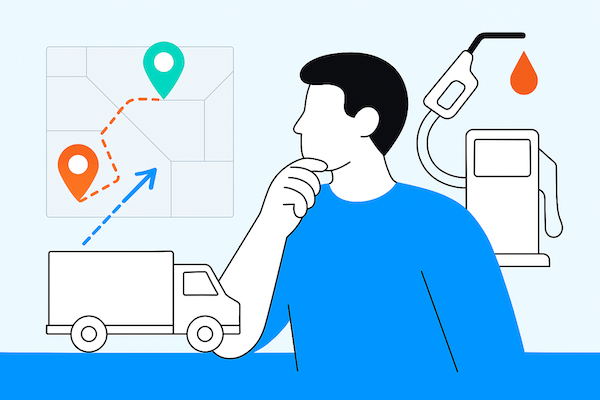
1. Build smarter routes that eliminate wasted miles
Dispatchers also get a real-time view of every vehicle on the road. That means the closest, best-equipped driver gets the job instead of whoever happens to answer the phone first. Fewer miles, fewer detours, and more completed work without extra fuel burn.

2. Reduce idling and stop-and-go fuel waste
Paired with live traffic data, you can reroute drivers around gridlock before they get stuck burning fuel to go nowhere. Cutting idling alone delivers immediate, measurable savings.
See how IntelliShift tracks idling and fuel burn.

3. Improve driver behavior with real-time coaching
Real-time coaching gives drivers instant feedback so they can correct behaviors in the moment. Over time, this creates a safer, more fuel-efficient driving culture that keeps fuel costs down and protects vehicles from unnecessary wear.

4. Detect fuel theft and misuse before it gets expensive
With fleet tracking software, you can see everything in one place. If a card is used but the vehicle was nowhere near the station, you know immediately. If the gallons exceed tank size, it jumps out. If someone fills up after hours, it shows up right away. Unified data closes the loopholes and stops fuel misuse before it becomes a recurring problem.
Explore IntelliShift’s fuel management solutions.
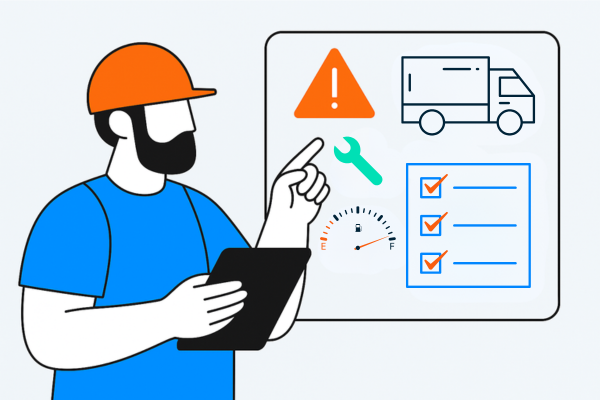
5. Maintain vehicle health to protect MPG and reduce strain
Tracking software gives you visibility into diagnostics, service needs, and performance trends. You can compare vehicles, spot underperformers, identify whether a problem is driver-related or mechanical, and prioritize maintenance with data to back it up. Better vehicle health equals better MPG and fewer surprises.

6. Prevent unauthorized use and after-hours fuel waste
Geofences, time-based alerts, and GPS tracking make unauthorized use impossible to hide. As compliance improves, so does your fuel budget.
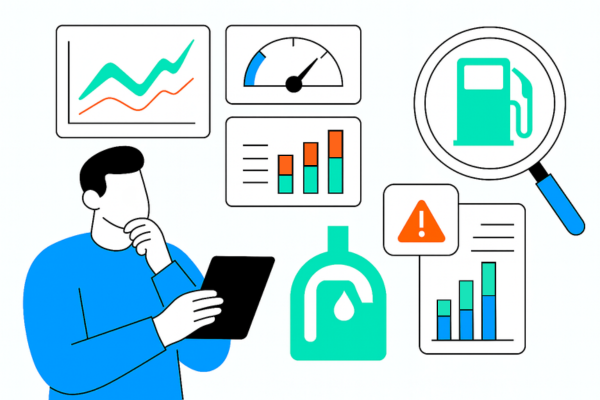
7. Centralize fuel reporting and replace manual logs
You get a complete picture of fuel spend, MPG trends, exceptions, anomalies, and month-over-month performance without spreadsheets or detective work. With everything in one place, it is easier to identify the patterns that quietly drain your fuel budget and fix them fast.
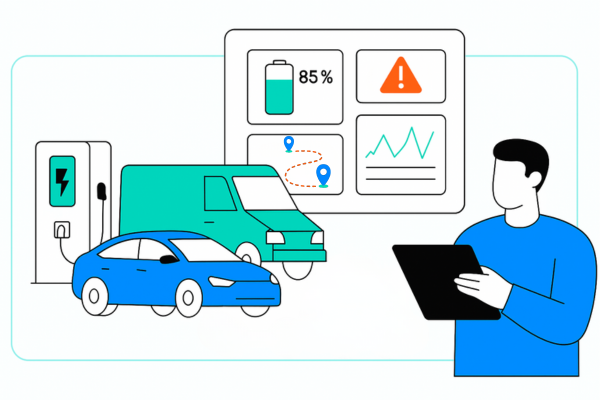
8. Manage EVs and mixed fleets with the same level of visibility
That lets you avoid overcharging, undercharging, unnecessary midday charges, or routes that drain the battery faster than expected. Whether your fleet is gas, diesel, electric, or somewhere in between, you get one unified view of how every vehicle uses energy.
How IntelliShift Helps Fleets Reduce Fuel Costs
You get one source of truth, one place to monitor waste, and one system that shows the real fuel story behind your fleet.
With IntelliShift, you can:
- Track idling, routing, speeding, and MPG in real time
- Compare fuel card transactions to telematics to stop waste
- Identify quick wins that reduce fleet fuel costs fast
- Use built-in reporting to show progress and track savings
- Manage fuel and vehicle health from the same platform
Download the Fuel Optimization Checklist
Grab the Fuel Optimization Checklist for the steps, insights, and action items fleets use to take control of their fuel spend.